Nestinarstvo fire-walking
Bulgari village in Strandzha marks the feast of Saints Constantine and Helena on 3–4 June with an icon procession, music and fire-walking.
Sources ↗Kukeri masquerades
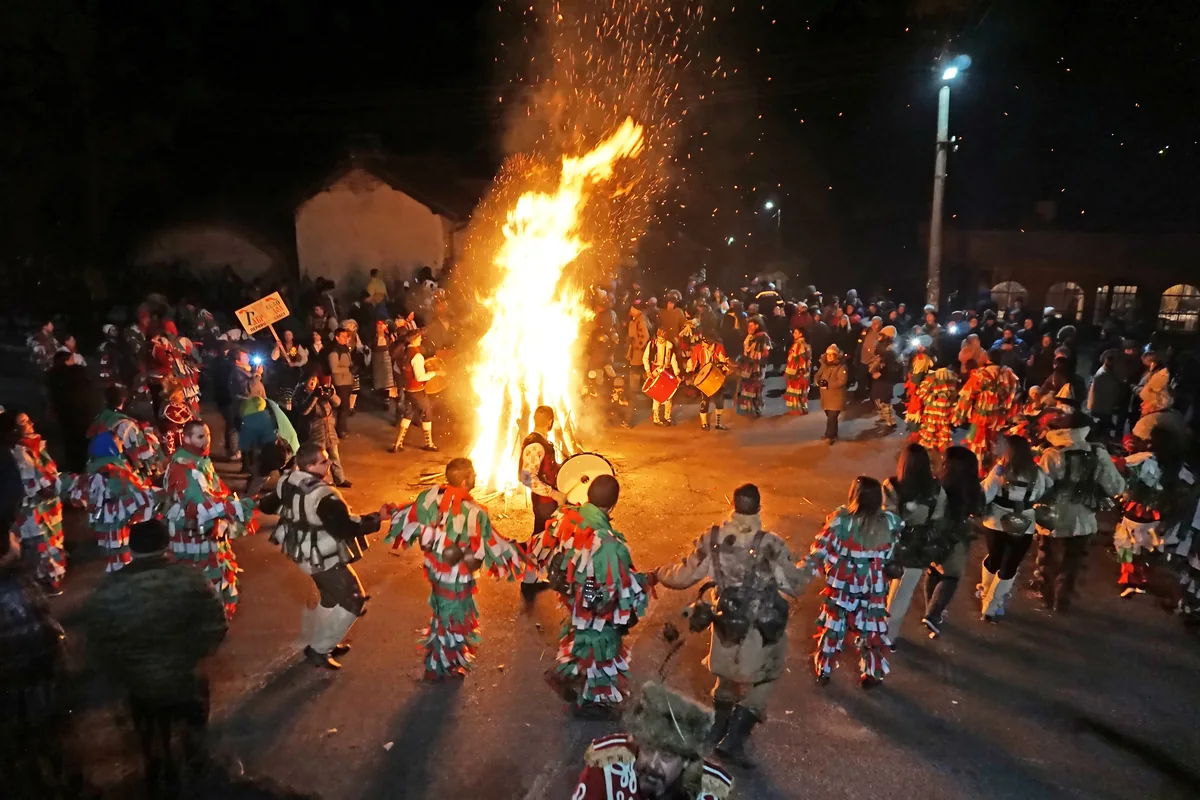
Masked groups visit villages in winter or early spring. Their bells, performances and ritual ploughing express hopes for health and a good harvest.
Sources ↗Martenitsa
On 1 March people give each other red and white threads for good health. Bulgaria shares the heritage listing with Romania, Moldova and North Macedonia.
Sources ↗Christmas carolling
Groups sing blessings for the household on the night before Christmas. In some places, families welcome them with ring-shaped bread and gifts.
Sources ↗Survakane
On New Year’s Day, children bless relatives for the year ahead with decorated dogwood branches called survachki.
Sources ↗Forgiveness Sunday
Families ask forgiveness on the Sunday before Great Lent. Local customs include bonfires and a game with a piece of halva suspended from a thread.
Sources ↗Lazaruvane
On the Saturday before Palm Sunday, girls visit homes to sing for health and prosperity. Local costume and songs form part of the tradition.
Sources ↗Easter customs
Families dye eggs in Holy Week, starting with a red one, and celebrate Easter with egg tapping and festive breads.
Sources ↗Saint George’s Day
The feast on 6 May marks an important point in the shepherding year. Some villages observe it with greenery, ritual milking, decorated breads and a shared meal.
Sources ↗Enyovden
On 24 June people gather herbs, often early in the morning. Local customs include passing through a wreath and the Enyova Bulya rite.
Sources ↗Trifon Zarezan
Winegrowers mark the start of seasonal work by pruning vines and blessing the harvest. Some communities choose a ceremonial king of the vines.
Sources ↗Babinden
Families honour the women who helped with childbirth. Traditions of washing the midwife’s hands and giving gifts may be observed on 8 or 21 January.
Sources ↗Chiprovtsi carpet weaving
Local weavers make double-sided wool carpets with geometric designs and pass on skills in preparing yarn, dyeing and weaving.
Sources ↗The Bistritsa Babi
The group from Bistritsa near Sofia keeps Shopluk polyphonic singing, dances and ritual practices alive and passes the repertoire to new generations.
Sources ↗Bulgarian bagpipe playing
Making and playing bagpipes are skills passed on by musicians and makers. The low-pitched kaba gaida is associated with the Rhodope Mountains.
Sources ↗Peperuda rain rite
During a drought, girls went from home to home singing for rain. In variants from Burgas, people sprinkle a girl wearing greenery with water.
Sources ↗Rose harvesting
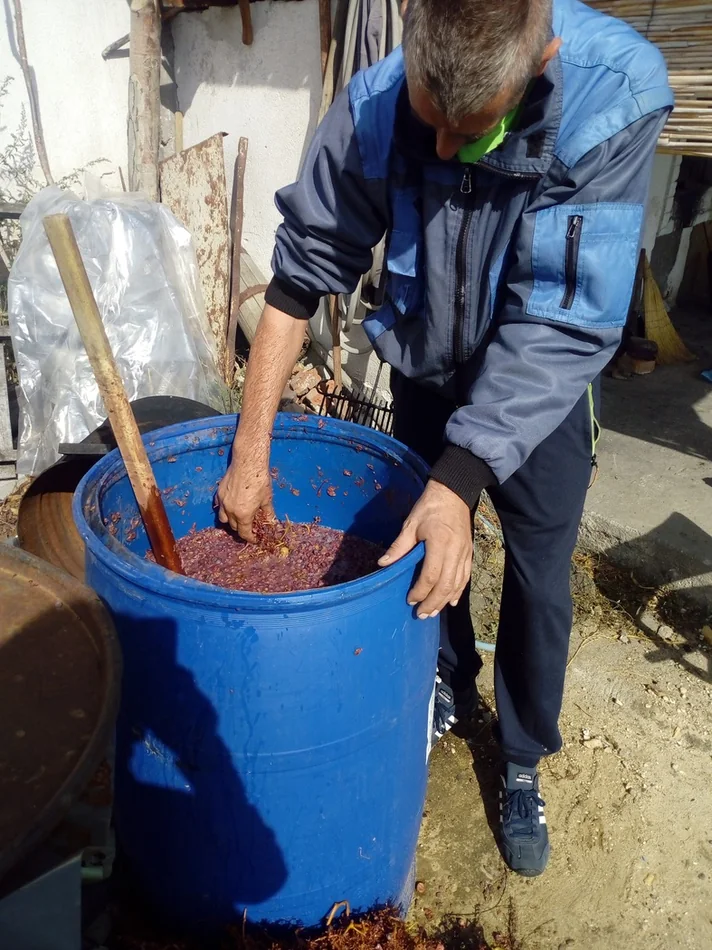
Villages in the Rose Valley stage ceremonial harvests within local festivals. Growers pick roses early in the day when the flowers are suitable for processing.
Sources ↗Ritual breads
Decorated breads accompany holidays, family events and farming rites. The Dobrich museum collection illustrates the meaning of shapes made in dough.
Sources ↗Todorovden horse celebrations
On the first Saturday of Great Lent, many settlements bless horses, hold races and prepare breads for good health.
Sources ↗Ignazhden
On 20 December, families read signs for the coming year from their first visitor, the polaznik. Greeting and blessing customs differ by place.
Sources ↗Rusalii and Kalushari
In parts of northern Bulgaria, groups of men performed protective and healing ritual dances whose names, timing and repertoires varied by place.
Sources ↗Surova in the Pernik region
On the night of 13–14 January, masked groups with bells visit settlements and perform ritual scenes. Families prepare costumes and receive the groups.
Sources ↗Visoko singing in Dolen and Satovcha
Women in these two villages of the southwestern Rhodopes pass on a multipart singing tradition distinguished by high calls.
Sources ↗Koprivshtitsa Folklore Festival
Performers and craftspeople gather to present local practices. Festival programmes and documentation help pass them to new generations.
Sources ↗Community cultural centres
Chitalishta organise local celebrations, gather oral accounts and train musicians, dancers and craftspeople.
Sources ↗Gelina in Ribnovo
A traditional wedding in Ribnovo includes decorating the bride’s face and dressing her in ceremonial clothing. It is a celebration for the families.
Sources ↗German rain rite
In western Strandzha, a clay figure is sometimes made and buried as part of rites for rain. The Burgas Ethnographic Museum describes how this custom can accompany Peperuda.
Sources ↗Gabrovo plum pestil
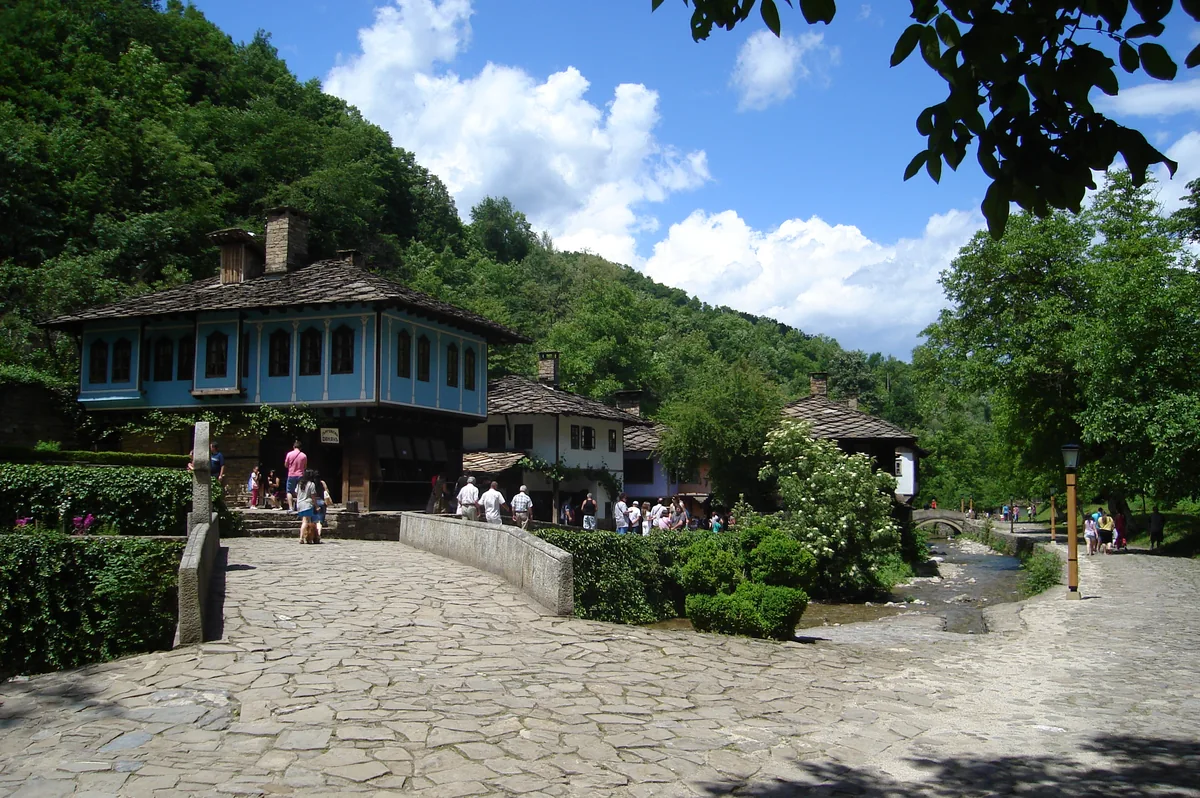
Plums are cooked, spread thin and dried to make pestil. Visitors can see the traditional preparation at the Etar Museum festival.
Sources ↗Saint Barbara’s feast in Buranovo
Bonfires, songs, bread and blessings for good health mark the village custom, locally also known as Women’s Christmas.
Sources ↗Starchevata in Razlog
Neighbourhood groups wear bells as they prepare for the New Year masquerade. The public bell gathering on 24 December precedes the New Year procession.
Sources ↗Yambol carollers’ Buenek
Carollers pair songs with a local dance, jingling boot spurs and bagpipes. Kargona and Baira preserve distinct versions.
Sources ↗Banitsa Day in Rumyantsevo
At Rumyantsevo’s autumn fair, local entrants present sweet and savoury banitsa in a baking contest. The village mayor’s office and the Dimitar Blagoev community centre organise the celebration.
Sources ↗